
The Differences of Orthodontics and Aesthetic Dentistry
Both orthodontics and aesthetic dentistry are meant to achieve an attractive smile, but they do so by different means and there are pros and cons to each method.
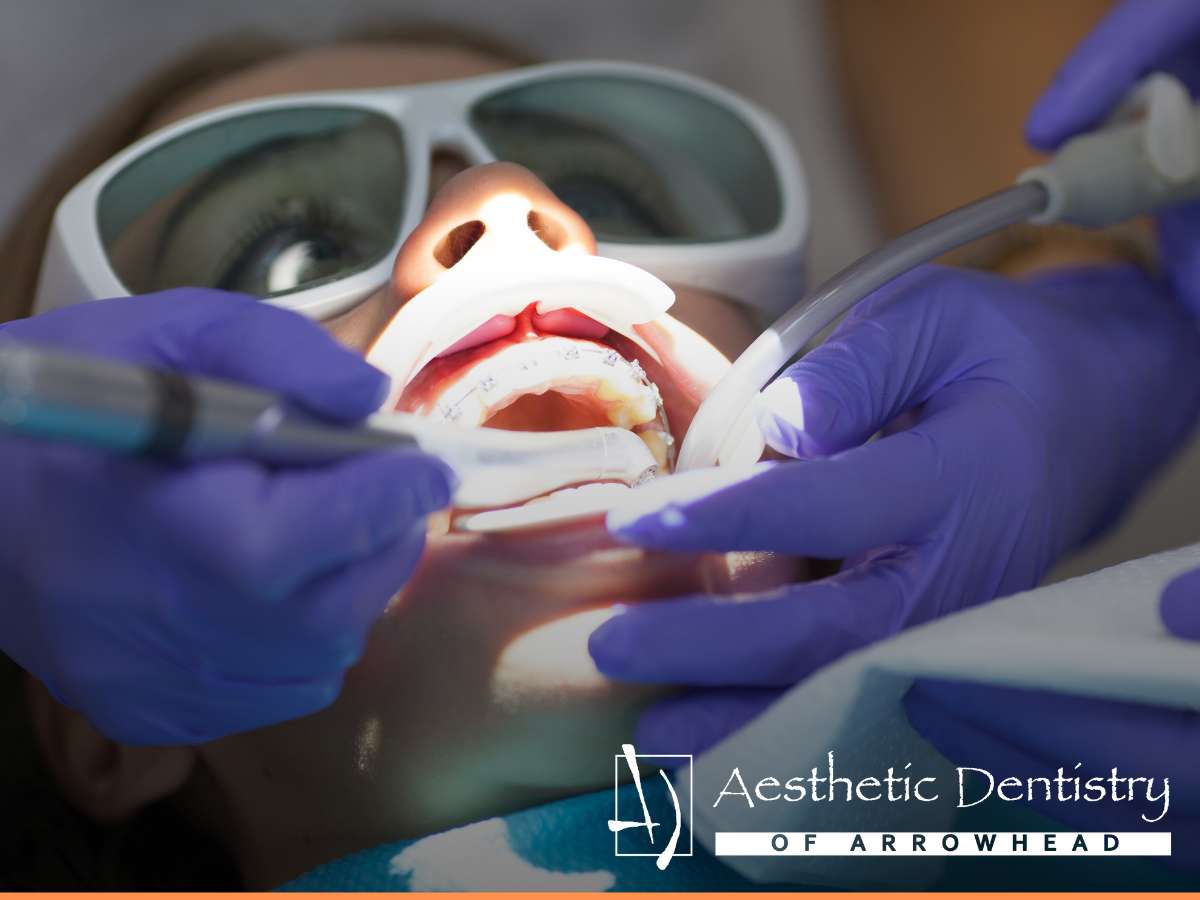
At first glance orthodontics appears to be more difficult and time consuming. It involves physically moving teeth with the use of Glendale braces and orthodontic appliances. Most often small brackets and flexible arch wire are attached to the teeth and as the wire is adjusted every few months it exerts gentle pressure on the teeth to reposition them within the bone.
While the drawbacks of wearing North Phoenix braces include some slight discomfort and the need to wear them for about six to eighteen months, the benefits can far outweigh these drawbacks. Cosmetic methods can hide some issues, but braces actually correct the issues, and leave you with perfectly placed teeth and a healthy bite meant to last a lifetime. Furthermore, some problems cannot be helped by aesthetic dentistry alone. For these reasons braces are usually the best treatment for children and adolescents. Because of this many dental insurance policies cover orthodontic treatment for children.
Aesthetic dentistry is appealing because it’s a quick fix. The most common method of cosmetic teeth straightening involves the use of porcelain veneers. These are thin porcelain covers applied to the front of the tooth.
Porcelain veneers can fill in gaps between teeth, and can be combined with the use of bonding material to build up recessed or rotated teeth and then the front can be covered with porcelain veneers to give the appearance of straight teeth. Porcelain crowns can be used similarly, and are most often used on decayed or broken teeth, or when more serious tooth reshaping is required.
Aesthetic dentistry is most often chosen by adults since it doesn’t actually correct a problem, it simply covers it up. It is often combined with other cosmetic dental procedures such as teeth whitening to produce a smile makeover. Although aesthetic dentistry can leave you with a more attractive smile some of the drawbacks include that it can still leave you with overlapping teeth that are challenging to clean and a bad bite that causes extreme wear on tooth enamel and may eventually lead to TMJ pain. In addition, aesthetic dentistry can be expensive and is not covered by dental insurance.
Another consideration in the use of aesthetic dentistry is that these procedures are irreversible. The use of porcelain veneers and porcelain crowns involves removing some of the tooth structure, so there can be no going back.

As you can see there are advantages and disadvantages involved with each treatment, and there are no set rules. Sometimes patients think cosmetic dentistry is for adults and braces are for children. This is no longer true, and it’s estimated that up to 30% of patients wearing braces, today are adults. These people have chosen to permanently correct their bite in order to preserve the long term health of their teeth and jaw. On the other hand, sometimes a teenager has a healthy bite with only a cosmetic gap between two front teeth. In this case Porcelain veneers may be a suitable solution.
If you have been told that you have a malocclusion (bad bite), or if you have crooked, chipped or cracked teeth, you should schedule an appointment for a consultation with a Glendale dentist who can perform an oral exam and recommend the best treatment plan for you.
The experienced staff at Aesthetic Dentistry of Arrowhead stay abreast of the latest treatments and techniques. Dr. Ceyhan can provide braces, aesthetic dentistry, or a combination of both, depending on your needs. When a course of treatment has been determined, the financial aspects will be explained to you. Payment plans are available if needed, so there is no reason to put off achieving a healthy bite and an attractive smile.
What Patients Say About Us
“Best Dentist around! Dr. Ceyhan and his staff are the best. Professional and personable! As a fellow local small business owner I can tell you this is the place to go for any dental work or cosmetic dentistry. I have a confident new smile thanks to the veneers I had done. Thank you always Dr. Ceyhan! You and your staff are the best and you have a customer for life.”
Frequently Asked Questions
Can Adults Still Get Braces, Or Is Orthodontics Only For Kids?
Braces work for adults too, and it is estimated that up to 30 percent of patients wearing braces today are adults. Adult orthodontic cases are decided the same way as any other case, with a clinical exam, x-rays or scans, and a discussion of your bite and goals with your dentist.
Are Porcelain Veneers A Permanent Fix Like Braces Are?
Veneers are considered irreversible because placing them requires removing a thin layer of enamel from the tooth, and enamel does not grow back. Once you have a veneer on a tooth, that tooth will need a veneer or similar restoration going forward. Braces move the teeth themselves rather than altering the tooth structure.
Can Aesthetic Dentistry Fix A Bad Bite The Way Braces Can?
Aesthetic dentistry covers up the appearance of misaligned teeth rather than correcting the underlying bite. A bad bite left uncorrected can cause extra wear on tooth enamel and jaw discomfort over time, so braces or another orthodontic option is usually the better route when the bite itself is the problem, not just the look of the teeth.
How Do I Know Whether I Need Orthodontics Or A Cosmetic Option?
The best way to find out is a consultation with your dentist, who can examine your teeth and bite and recommend the right treatment plan for your situation. Orthodontic and cosmetic options are not mutually exclusive, and some patients benefit from a combination of both.