
Can You Whiten Veneers? What Patients in Glendale Actually Need to Know
Can you whiten veneers? The answer is no. It's not the same process as whitening natural teeth. Whitening agents cannot penetrate veneers or change their original color. However, this doesn't mean you can't achieve good results or have a look that suits your tastes and needs.
Especially for those considering porcelain veneers in Glendale, AZ, it's crucial to understand why whitening treatments don't work on veneers. Find out what factors can cause them to change in appearance over time and what real alternatives are available to restore their look.
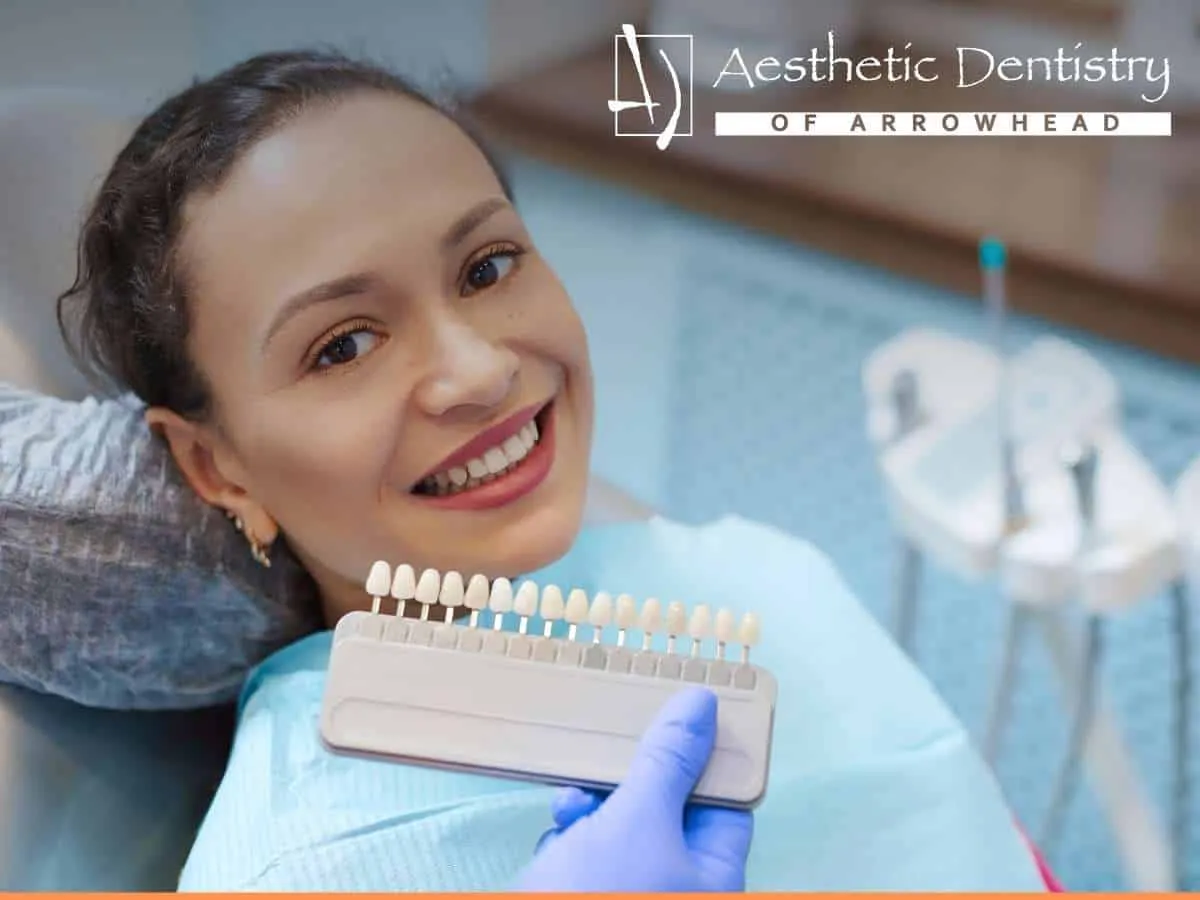
Why Teeth Whitening Doesn't Work on Veneers
If you want to better understand why the results differ, it's key to understand the difference between natural teeth and dental veneers when it comes to cosmetic treatments:
| Characteristic | Natural teeth | Dental veneers |
|---|---|---|
| Structure | They contain enamel with a composition that allows for certain changes in shade. | Made from materials designed to maintain a specific color. |
| Response to whitening treatments | They can be lightened using professional products. | Do not change color with whitening products. |
| Reason for changes in appearance | Internal or external stains on the enamel. | External factors, wear, or changes around the restoration. |
| Typical solution | Whitening treatments or preventive maintenance are usually applied. | A professional cleaning, polishing, or evaluation of the restoration is recommended. |
With all this in mind, it's easier to understand everything else.
Why Bleaching Agents Can't Penetrate Veneers
Teeth-whitening treatments work thanks to active ingredients. Among these is hydrogen peroxide, which can penetrate the porous structure of natural enamel and lighten certain internal stains. However, porcelain veneers have a non-porous surface. This surface is designed to resist staining and maintain the selected color once the veneers are placed.
In other words: you cannot whiten a veneer, even if you use whitening strips, gels, or professional treatments. The shade of your veneers will remain the same. If a veneer appears darker over the years, the problem is generally not with the veneer itself. It is usually due to external factors or changes around it.
Porcelain vs. Composite Veneers
Not all veneers are made of the same material:
| Porcelain veneers | Composite veneers |
|---|---|
| Smooth, non-porous surface. | Slightly more porous material. |
| Greater resistance to stains and everyday wear and tear. | They tend to discolor and lose their luster more easily. |
| They maintain their aesthetic appearance better over time. | They generally require more maintenance to preserve their appearance. |
| They do not respond to whitening treatments. | Nor can they be lightened with whitening products. |
Regardless of the material you choose, veneers do not change color with conventional whitening treatments. This is also important if you plan to whiten your natural teeth before getting veneers. In any case, when you visit a dental office, you'll be able to see if there are options that suit your needs.
Does Whitening Toothpaste Help?
There is no such thing as "whitening toothpaste for veneers." Regular whitening toothpastes won't lighten your veneers either. They work on natural enamel, not on materials like the porcelain or composite used in veneers. You should know that many of them contain abrasive particles.
In other words, while they can remove surface stains from natural teeth, they can also gradually scratch the glossy finish (glaze) of porcelain veneers. When that protective layer wears away, the surface loses its shine and becomes more prone to accumulating pigments and looking dull.
To protect your veneers, it's best to follow a specialist's instructions. Good oral hygiene is also essential to maintain the appearance of your restorations.
Why Do Veneers Discolor Over Time?
Veneers can maintain their appearance for years. However, certain factors can cause their color or luster to change over time. Generally, the problem lies not with the veneer material itself, but with changes to its surface, the bonding cement, or the natural aging of the restoration. Identifying the cause helps determine the most appropriate solution.
Staining Foods and Drinks
You're wondering, "Why are my veneers discolored?" While porcelain is more stain-resistant than composite, it can still be affected. In fact, composite veneers tend to absorb these pigments more easily and are less resistant than porcelain veneers, due to their less porous surface.
Constant exposure to substances with intense pigments can dull the shine of the restoration. Here are the foods and beverages that can contribute to this process:
- Coffee.
- Red wine.
- Black tea.
- Dark-colored soft drinks.
- Berries.
- Tomato-based sauces.
- Soy sauce.
As a preventive measure, drink these beverages through a straw and rinse your mouth with water after consuming them.
The Bonding Cement Factor
Sometimes, the discoloration does not come from the veneer itself, but from the material that bonds it to the tooth. Adhesive cement is slightly more porous than porcelain. Over the years, it can absorb pigments that become visible through the translucent material of the restoration.
This phenomenon is known as "veneer margin staining." It usually appears as a yellowish or darker line near the edge of the veneer. This problem lies beneath the surface. As you can imagine, no whitening product can correct it. Only a professional dentist can evaluate your options.
Age, Wear, and the Natural Lifespan of Veneers
Often, cosmetic changes become apparent due to the natural wear and tear of the restoration. Gradually, the enamel wears away. Even if the gums recede, the edges where the veneer attaches to the tooth may become exposed.
So, how long do veneers last? None of them last forever. Good oral hygiene can make them last for many years, but if the veneers are old, your dentist may consider alternatives.
What You Can Actually Do to Brighten Discolored Veneers
There are several options for improving the appearance of veneers, depending on the cause of the discoloration.
Professional Cleaning and Polishing
Is the discoloration superficial? A professional cleaning for veneers is usually the first recommended step. This procedure removes plaque, biofilm, and superficial stains that whitening strips or toothpaste cannot remove.
Professional polishing is performed with great care, using non-abrasive instruments and pastes specifically designed to protect the porcelain surface and restore some of its original luster. It's ideal for patients with mild stains.
This is what we do at Aesthetic Dentistry of Arrowhead. We offer veneer polishing in Glendale, AZ, as part of our maintenance cleanings. We recommend scheduling a cleaning every 6 months, both for your oral health and for the aesthetic appearance of your restorations.
Veneer Replacement: When It's the Right Call
A cleaning isn't always enough to fix a cosmetic issue. Consider a replacement in these situations:
- When the discoloration comes from the bonding cement.
- If the protective glaze is severely worn.
- If the veneers are more than 15 years old.
In these cases, a veneer replacement in Glendale is the best option for placing new restorations in the shade chosen by the patient. This results in a bright, uniform smile. However, the decision will be made by a teeth whitening dentist based on your needs.
Preventive Steps to Keep Veneers Bright Longer
How to keep veneers white? There is no one hundred percent effective method. It's preferable to take a holistic approach that combines good habits and regular checkups.
It's important to use a non-abrasive toothpaste, a soft-bristled toothbrush, and dental floss every day to protect the surface of your veneers. When you go to a dentist, they can give you advice on selecting the right products and protecting your veneers every day.
Also, we suggest limiting your intake of coffee, red wine, and other dark-colored drinks. However, if you do consume them, try to use a straw and rinse your mouth afterward. Try to avoid smoking, as tobacco promotes the formation of stains.
Don't forget to schedule professional cleanings every six months. These help remove buildup before it affects the shine of your veneers, whether they're made of porcelain or composite, although the latter typically require more frequent maintenance.
Timing Matters: When to Whiten Natural Teeth If You Have Veneers
Are you thinking about getting new veneers? We recommend having your teeth whitened before getting veneers. After all, timing affects the results:
- If you whiten your natural teeth first, the dentist can choose a veneer shade that matches your new smile.
- If whitening is done after the veneers are placed, your natural teeth may lighten while the veneers retain their original color. This can create a noticeable difference between the two.
When you visit a dentist's office, you can plan your treatment in the correct order. This will help you achieve a harmonious smile.
Frequently Asked Questions About Whitening Veneers
Below, we address common questions about veneer whitening:
Can you use whitening strips on veneers?
No. Whitening strips can penetrate natural enamel, but the surface of veneers is not porous. They do not change the color of veneers. In fact, they can irritate the gums.
Can composite veneers be whitened?
No. Although composite veneers are more porous than porcelain veneers and stain more easily, whitening agents cannot lighten their base color.
Will professional whitening damage my veneers?
It does not cause cracks or fractures in the veneers, but it can lighten the natural teeth while the restorations remain the same color, creating a visible shade mismatch, and it may also irritate the gum margins.
How do I know if my veneers need to be replaced?
Generally, if the veneers are more than 15 years old or there are color differences with the adjacent teeth. Also, if dark stains appear along the edges, or if there are fractures or obvious wear.
How long do porcelain veneers last?
Porcelain veneers typically last between 10 and 20 years. Composite veneers, on the other hand, generally have a lifespan of 5 to 10 years. To extend their lifespan, visit a dentist in Arizona for regular cleanings, avoid abrasive toothpaste, and limit foods that cause staining.
Thinking About Veneers, or Ready to Restore Yours?
Have your veneers lost their luster, do you need to replace them, or are you looking to achieve the smile of your dreams for the first time? The only way to achieve lasting results is through a professional evaluation at a dental clinic.
For years, at Aesthetic Dentistry of Arrowhead, we've helped patients in Glendale and Peoria with the placement, maintenance, and replacement of cosmetic restorations. Read some real reviews here:
| We have gone to se Dr Ceyhan for 7 years. He and his office are friendly and professional! He is the best dentist as he is gentle, explaining what he is going to do and gets his work done in a timely matter! We are not afraid to go to the dentist anymore!! | I've had a lot of dental work done by a great many dentists. When I found Dr. Ceyhan, I decided no other dentist would ever do work for me. He is the best; a total perfectionist who insists his staff, and any specialists he refers you to, are as well. | I've been seeing Dr. Ceyhan for five years. He is very thorough and efficient and I trust his expertise. He and his staff are professional yet friendly and patient. I have never had to wait to be seen and appointments are easily made. I would highly recommend Aesthetic Dentistry and Dr. Ceyhan. |
| Brenda Rosa ★★★★★ | Jim Browning ★★★★★ | Joanne Heeren ★★★★★ |
Are you looking for veneers in Glendale, AZ? We can guide you through the available options and create a personalized plan to help you regain a natural, long-lasting smile. Contact us now.